How we teach
We start with the physics
Students learn what each force is doing before we move to equations or tooling.
We started with our own competition notes, lab failures, and coaching sessions, then turned that experience into a curriculum that is practical, clear, and useful on build day.
Students learn what each force is doing before we move to equations or tooling.
Every module compares real design choices so learners can defend their decisions.
An AI tutor helps students ask better questions and keep moving during study sessions.
Leadership
Our team combines rocketry competition experience, software engineering, and classroom mentoring so each lesson reflects real project pressure.
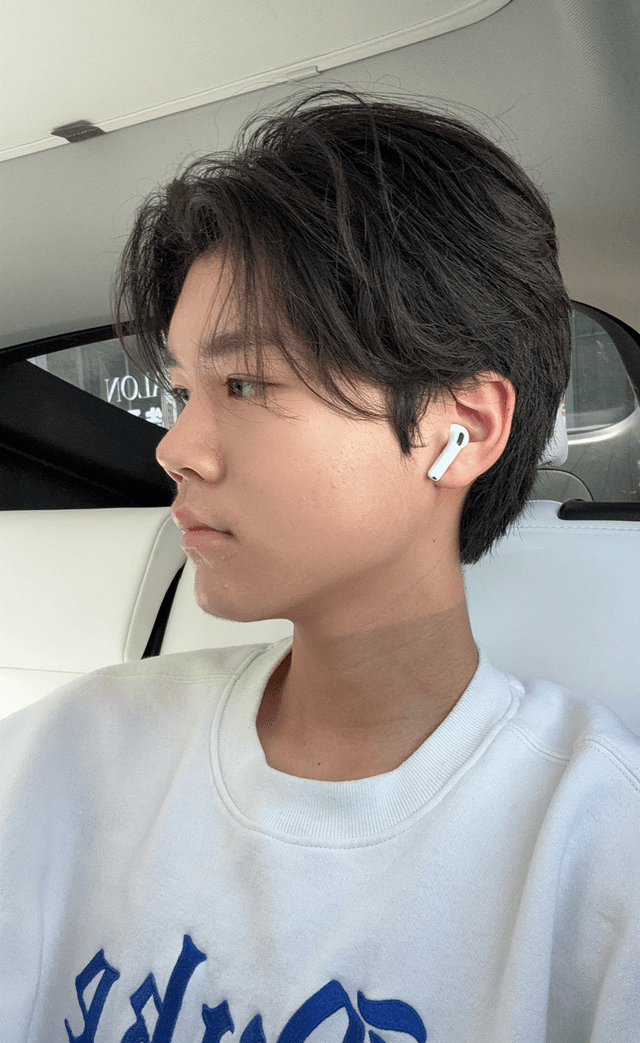
Cofounder
Henry Dai is an experienced competitive rocketeer specializing in precision build and remote-controlled events. He has been selected by the National Association of Rocketry to represent the USA National Team and has earned multiple medals at World Space Modeling Championships. With this experience, Henry brings proven leadership and technical expertise to guide teams toward high-level competition such as the American Rocketry Challenge.
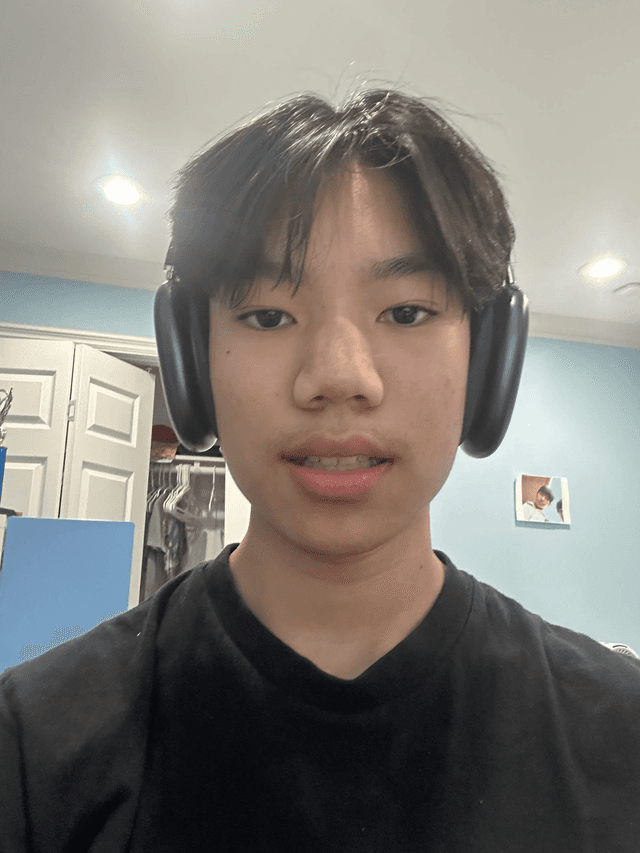
Cofounder
Matthew Heng is driven by a deep interest in physics and the mechanics of flight. He is a Gold Medalist at the Calico Hackathon (a top-35 finisher out of ~500 participants) and is currently authoring a research paper on AI. Matthew leverages these computer science skills to build the technical foundation of Max Apogee. He combines this expertise with his teaching experience to break down complex concepts, ensuring students turn their curiosity into practical engineering skills.
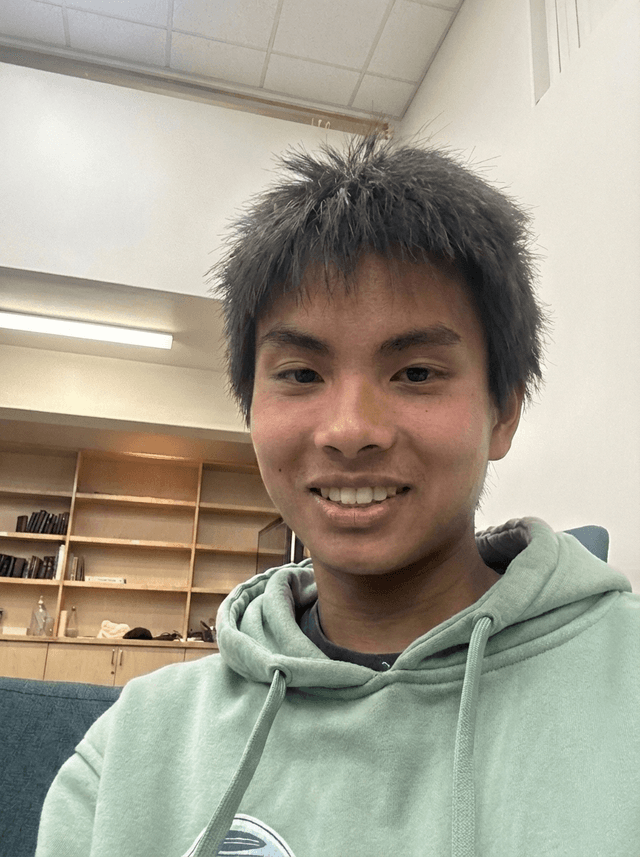
Cofounder
Brady Chen is an accomplished competitive programmer and student developer focused on high-impact problem solving. He is a 1st Place winner of the Congressional App Challenge, a Silver Division competitor in the USA Computing Olympiad (USACO), and a top-35 finisher out of 500 participants in the Calico Competition. With this competitive background, Brady brings strong technical skill and focus to help teams succeed.
We kept seeing the same gap: students were motivated, but available resources felt scattered or too abstract to use in a real build.
So we made the lessons we wished we had earlier: grounded explanations, practical workflows, and enough support that students can finish what they start.